
Settlers and Indians: From Uneasy Contact to Separation
Little House on the PrairieThis conflict flow follows the shifting relationship between the Ingalls family and the Osage people, from first visits to the final empty prairie.
increasing Bearing strength in each event
 decreasing
Bearing strength in each eventdecreasingFirst Indians Walk Into the House
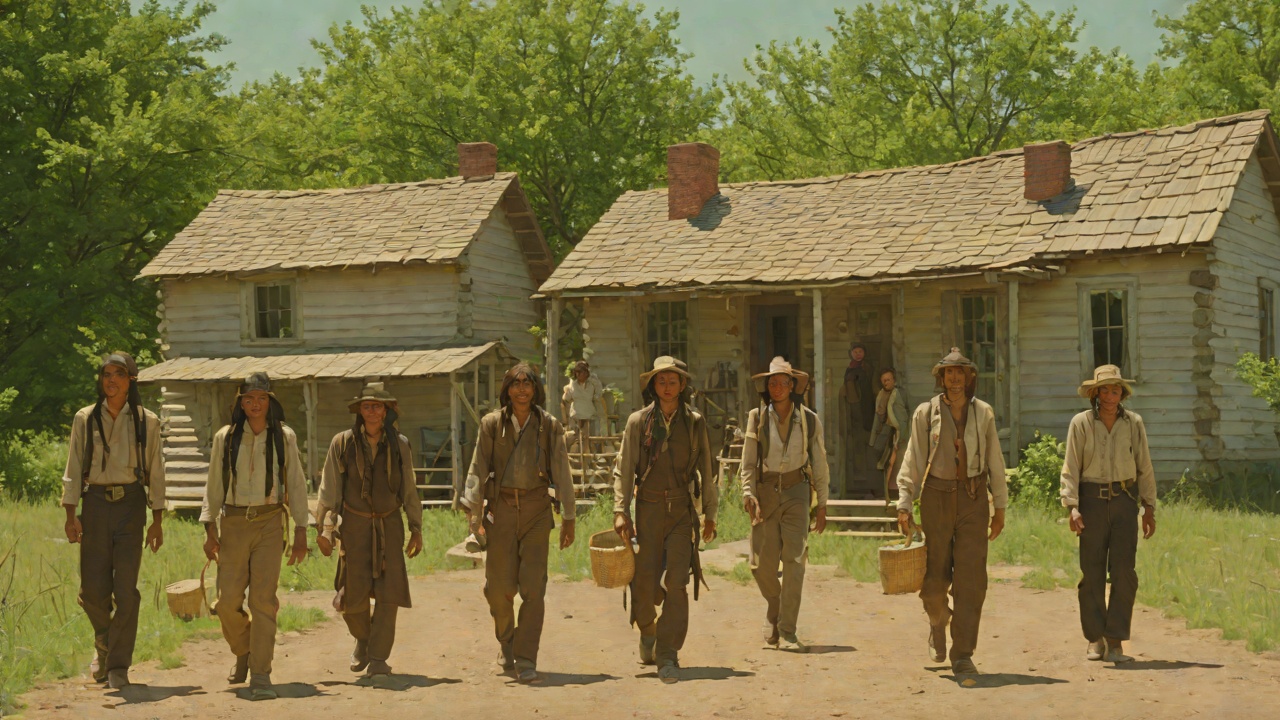
First Indians Walk Into the House
Scene
While Pa is away, two Osage men enter the house and eat Ma's cornbread, take Pa's tobacco, and stare at Laura from behind the table. They leave without a word.
Meaning
The encounter marks the beginning of Indian-settler contact in the story. It is neither violent nor friendly, just a collision of two worlds.
Aftermath
Pa explains that the Indians only appeared when they wanted to be seen, and Laura's curiosity sharpens.
The Silent Visit of the Osage Chief
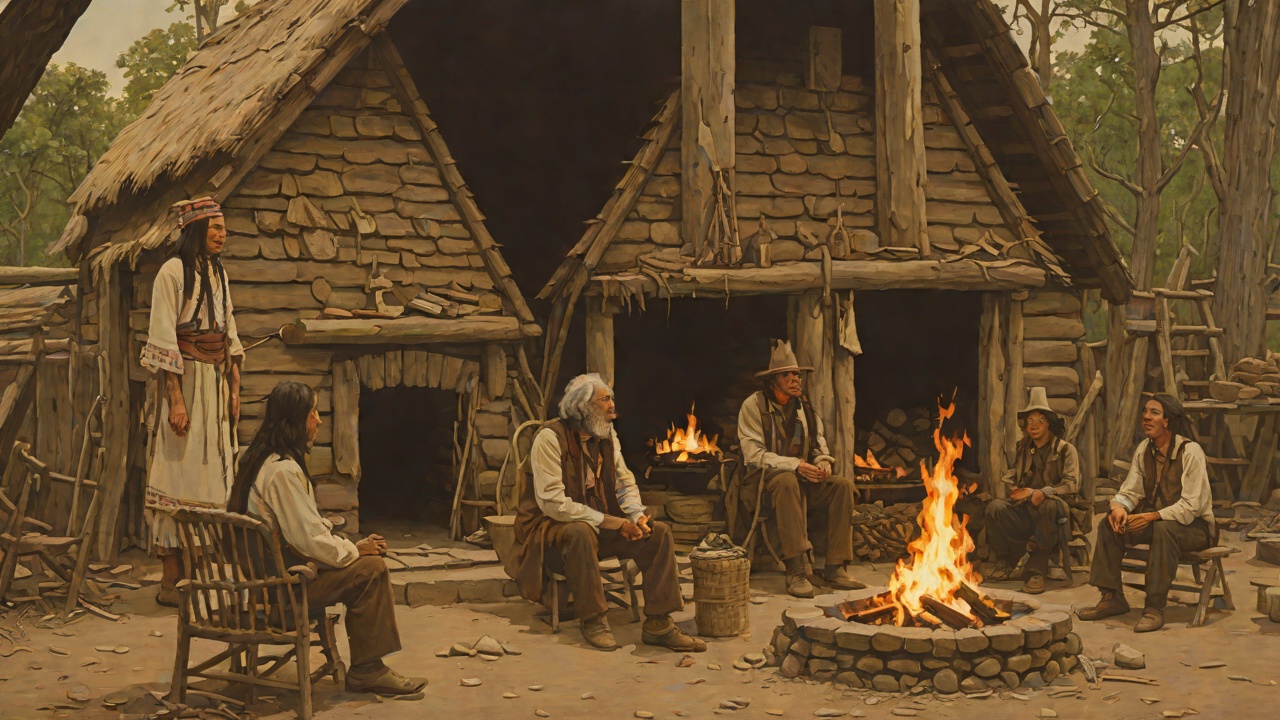
The Silent Visit of the Osage Chief
Scene
A tall Osage chief appears in the doorway, sits by the fire with Pa, and eats a silent meal. He wears eagle feathers and beaded moccasins, and he speaks a little French that Pa cannot understand.
Meaning
The chief's visit is diplomatic but wordless, a moment of mutual observation rather than friendship. Ma fears him while Pa respects him.
Aftermath
The chief leaves without a sound, and Pa concludes he must be an important man.
More Indians, More Fear
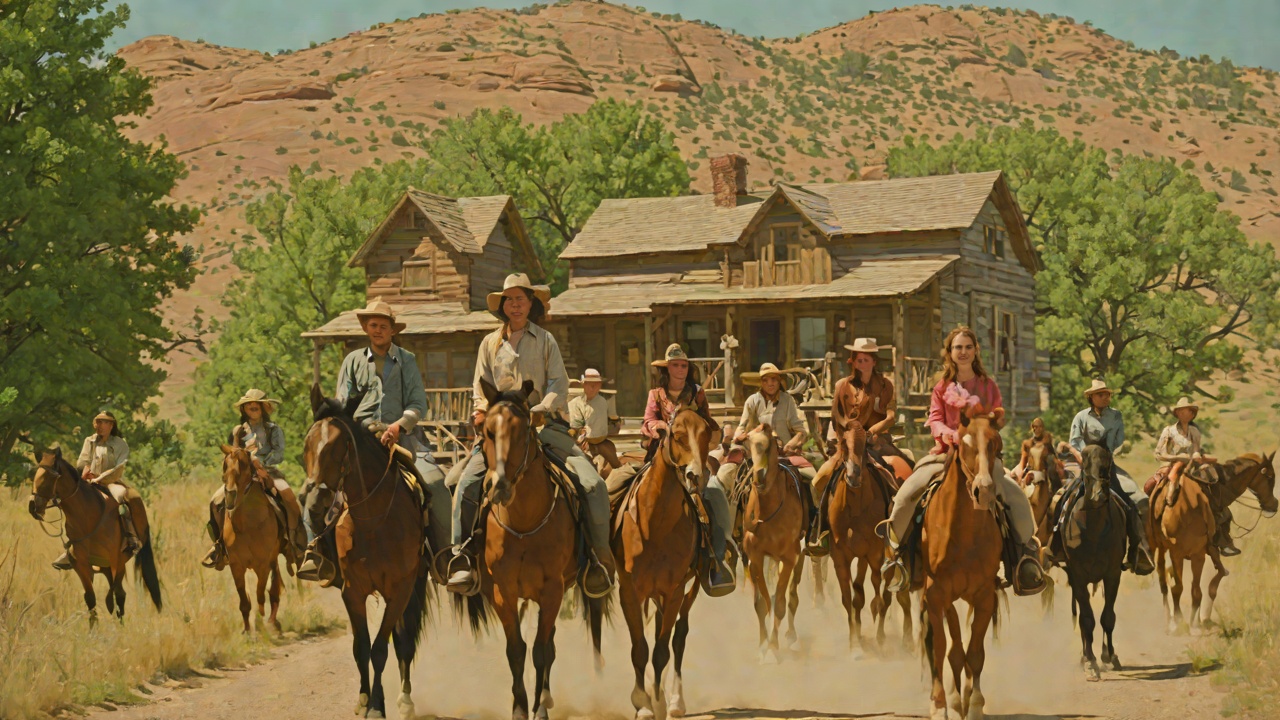
More Indians, More Fear
Scene
Indian families ride past the house on horseback, naked horses moving silently along the trail. Laura and Mary look up at them from the ground, while Ma says she cannot look up without seeing one.
Meaning
The constant presence of Indians turns the claim into a borderland. The family's cautious acceptance begins to crack.
Aftermath
Jack is tied up permanently, and the girls feel safe only near Pa or the dog.
Great Soldier's Farewell Procession
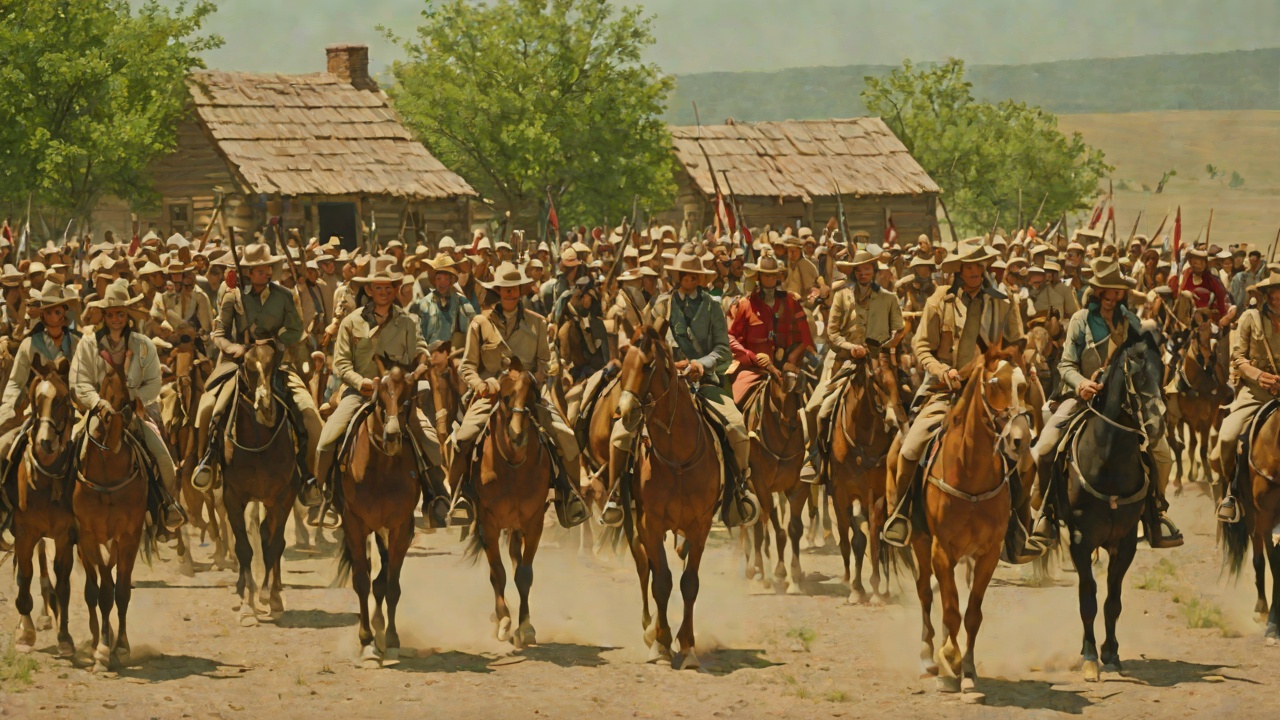
Great Soldier's Farewell Procession
Scene
The Osage chief rides past the house without looking at it, followed by long lines of Indian men, women, and children. Laura looks into the eyes of a baby in its mother's basket and asks Pa to get her the papoose.
Meaning
The procession is the physical removal of the Indian world from Laura's horizon. Her longing for the baby connects her emotionally to the people her family has replaced.
Aftermath
The prairie is quiet, the camp fires are dead, and the world seems strangely lonely to Laura.
Settlers and Indians Part Forever
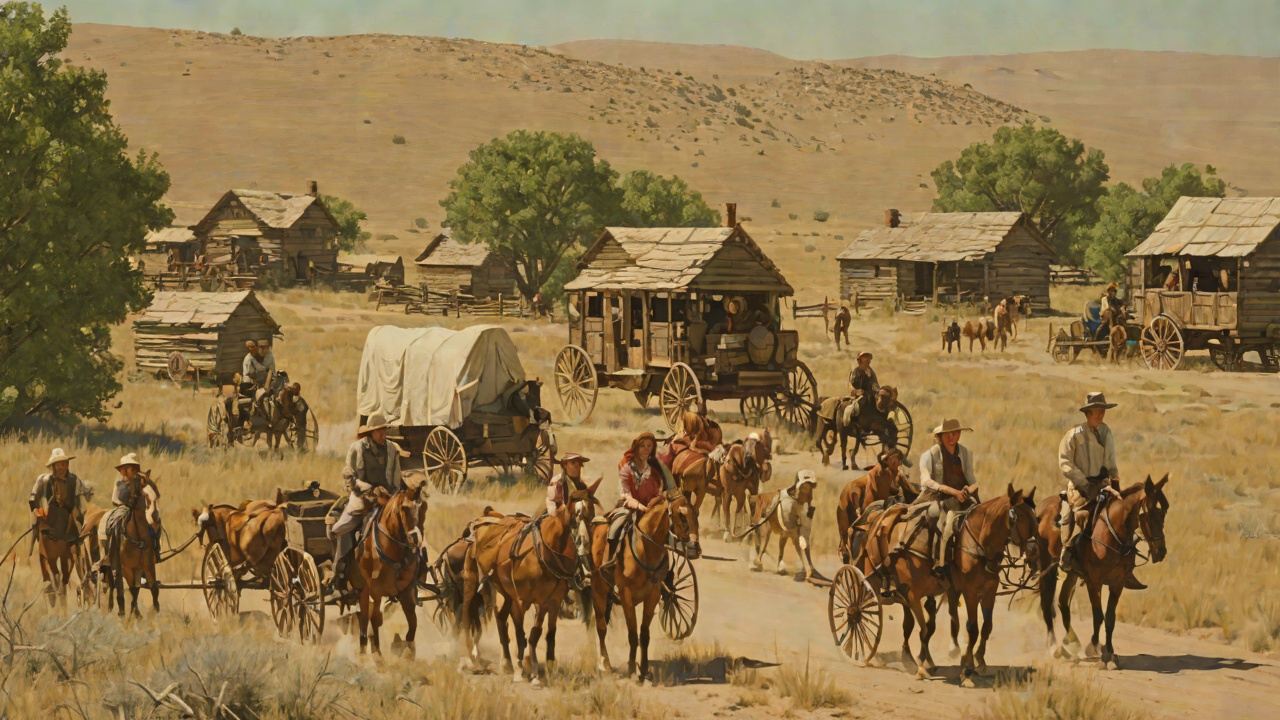
Settlers and Indians Part Forever
Scene
The Ingalls wagon rolls away from the little house, and as far as Laura can see, nothing is moving except the green grass. The Indians have gone west, and now the settlers are going too.
Meaning
The separation is complete: both peoples lose the land. The settlers are removed by the same government that removed the Osages.
Aftermath
Pa says there will be wild Indians and wolves here for many years, but for now the prairie is silent and still.
early spring of the first year
late winter, before the furs are traded
through the cold months and into spring
the morning the Indian tribes leave
the final morning of the Ingalls claim
